



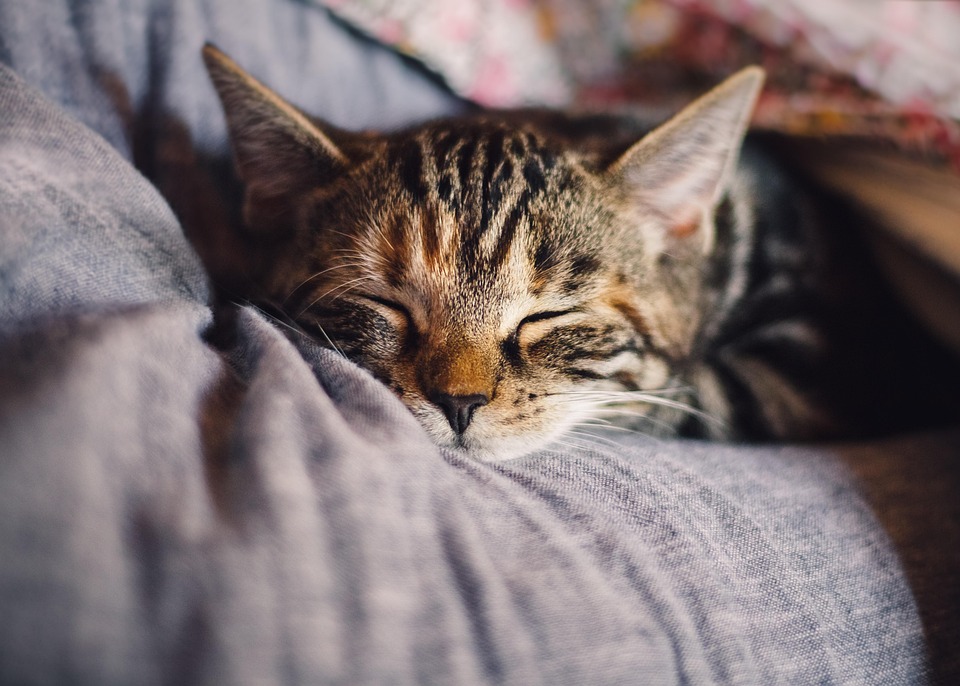
Every pet owner knows that our furry friends can sometimes be a handful, especially when confined indoors for long periods. Whether due to weather, health concerns, or other factors, keeping your pets entertained and mentally stimulated is vital for their well-being. Engaging activities can help prevent boredom, reduce behavioral issues, and enhance the bond between you and your pet. Below you’ll discover various creative ideas to keep your pet active and happy while inside the comfort of your home.
Interactive Playtime
Interactive playtime is essential for both your pet’s physical and mental health. Tailoring play sessions to your pet’s personality can make a substantial difference.
Fetch with a Twist
While fetch is typically an outdoor activity, you can bring it indoors too! Use soft toys that won’t damage your furniture. Create a specific space for fetch games in your home, such as a hallway, where space constraints will keep the game safe and contained.
Puzzle Toys
Puzzle toys challenge your pet’s problem-solving skills. These toys often include hidden compartments for treats, encouraging your pet to think critically to access the goodies. They are available in various difficulty levels, so you can select one that matches your pet’s intelligence.
DIY Activities
Arts and crafts aren’t just for humans; you can involve your pet too! Creating DIY projects can engage not only your pet but also serve as an enjoyable activity for you.
Homemade Obstacle Course
Set up a makeshift obstacle course using household items. Use cushions, tables, and boxes to create challenges your pet must navigate. Guide your pet through the course, rewarding them for their effort.
Interactive Scavenger Hunt
Hide treats or favorite toys around the house and let your pet sniff them out. You can make the hiding spots progressively harder to stimulate your pet. Not only does this provide physical exercise, but it also strengthens their sense of smell.
Training and Learning
Incorporating training into your indoor time serves a dual purpose: it keeps your pet mentally stimulated while teaching them new skills or commands.
Basic Commands and Tricks
Devote a few minutes each day to teach your pet new commands or tricks. Start with basic commands like “sit,” “stay,” or “down.” Once they’ve mastered the fundamentals, move on to more complex tricks like “roll over” or “play dead.” Using positive reinforcement, such as treats or praise, makes the learning process enjoyable.
Clicker Training
Clicker training is an effective method that helps pets associate actions with rewards. A clicker is a small device that makes a sound when pressed. When your pet performs a desired behavior, click and reward them instantly. This feedback mechanism is more effective than verbal praise alone.
Creative Sensory Experiences
Using different textures, scents, and sounds can provide a multi-sensory experience for your pet. Here are some ways to engage their senses:
Scent Games
Similar to the scavenger hunts, you can create more complex scent games by using different fragrant materials like herbs or spices. Introduce new scents and let your pet explore. This engages their olfactory senses and provides a novel experience.
Sound Enrichment
Consider playing soft classical music or sounds designed for pets, which can be calming. Alternatively, you can experiment with sounds they may find amusing or intriguing, such as bird calls or nature sounds, available on streaming services specifically designed for pet entertainment.
Socialization Opportunities
Interacting with other pets can elevate your indoor activities to a whole new level of engagement. If you have more than one pet, encourage them to play together.
Playdates
Organize playdates with other pet owners. Ensure that the other pets are compatible with yours to avoid stress. Supervised socialization enables pets to engage in natural behaviors, making playdates an enjoyable experience for both pets and owners.
Pet-Friendly Events and Classes
Look for local pet classes or events, especially those that allow you to engage with your pet indoors. Activities such as agility training or obedience classes can be a wonderful way for you and your pet to socialize and learn together.
Relaxation and Bonding Time
Not every activity has to be high-energy; ensuring your pet feels relaxed is equally important to their overall happiness and well-being.
Cozy Cuddle Sessions
Simply spending quiet time with your pet can significantly strengthen your bond. Use this time to groom your pet, allowing them to enjoy pampering while you relax together.
Calming Aromatherapy
Aromatherapy can work wonders for your pet’s anxiety. Using pet-safe essential oils (like lavender) in a diffuser can create a peaceful atmosphere. Always ensure proper ventilation and avoid direct contact with your pet.
Physical Workouts
Pets need physical exercise as much as mental stimulation. Here are some ways to keep them moving indoors:
Indoor Tug-of-War
A spirited game of tug-of-war can be very enriching for dogs. Use a sturdy rope toy or a similar item, but be mindful of the rules to ensure safe play. Establish guidelines such as “drop it” to manage the game effectively.
Stair Exercise
If you have stairs in your home, this can be an excellent way to provide your pet with a workout. Toss a toy or a ball up the stairs allowing them to run after it. Stairs can be an effective way to expend energy, but always monitor their movements to ensure safety.
Conclusion
Keeping pets engaged indoors doesn’t need to be a daunting task. By integrating a variety of stimulating activities into their daily routine, you can foster both their mental and physical well-being. The challenge lies in tailoring activities that fit their personalities, ensuring fun and fulfilling experiences for both you and your pet. Happy indoor living!
FAQs
1. How often should I engage my pet in these activities?
It’s beneficial to include a mix of physical and mental activities daily, even if only for a short time. Aim for 30-minute sessions divided throughout the day.
2. Can indoor activities help prevent behavior issues?
Yes! Engaging your pet in stimulating activities can reduce boredom-related behavioral problems, such as chewing and excessive barking.
3. What kind of puzzles are best for pets?
Look for puzzles that are age-appropriate and cater to your pet’s abilities. Some include treat dispensers, while others require the pet to manipulate pieces to uncover treats.
4. Are there any safety considerations when setting up an obstacle course?
Ensure that all items used are stable and won’t fall over easily. Avoid sharp edges and keep hazardous materials out of reach to prevent injuries.
5. What are some calming techniques for anxious pets?
In addition to aromatherapy, creating a calm environment with soft music, providing a cozy space, and engaging in gentle touch can help soothe anxious pets.