



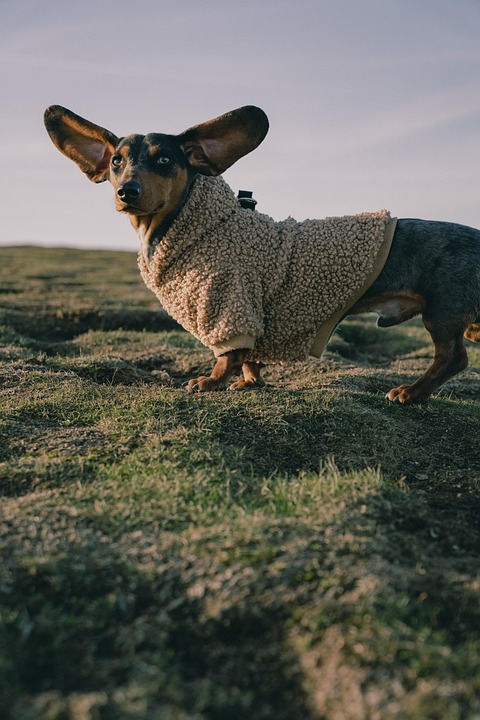
Bringing a puppy into your home can be a joyous experience filled with love, laughter, and lively moments. However, it also comes with a significant responsibility. Puppies require dedicated care and attention to ensure they grow into well-adjusted, happy adult dogs. By understanding their needs and what it takes to raise a puppy, you can create a nurturing environment that sets the foundation for a loving, lifelong companionship. This guide provides essential insights into raising a happy and healthy puppy, covering everything from nutrition and training to socialization and safety.
Understanding Your Puppy’s Needs
Puppies are not miniature adults. They have unique needs that differ significantly at various stages of their development. Understanding these needs is the first step to ensuring their well-being.
Nutrition
A proper diet is crucial for your puppy’s growth and health. Puppies require a balanced diet that promotes healthy development. Look for high-quality puppy food that lists meat as the first ingredient, and is specifically formulated for their growth needs.
Here are a few tips for feeding your puppy:
- Consult with a Veterinarian: Prior to making any dietary changes, consult with your vet for tailored recommendations based on your puppy’s breed, age, and size.
- Portion Control: Follow feeding guidelines on the food packaging but be flexible based on your puppy’s growth, activity level, and weight.
- Fresh Water: Always provide access to clean water. Hydration is just as important as proper nutrition.
- Avoid Human Food: Resist the urge to feed your puppy human food, which can lead to obesity and other health issues.
Exercise
Physical activity is essential to a puppy’s physical and emotional health. Regular exercise helps maintain their weight, and reduces destructive behavior arising from pent-up energy.
Keep in mind the following:
- Puppy Playtime: Engage your puppy in regular play sessions to promote bonding and stimulate their mind.
- Short Walks: Gradually introduce daily walks appropriate for their age and breed. Start with short distances, gradually increasing as they grow.
- Safe Spaces: Create a secure, puppy-proofed area in your home where they can safely roam and explore.
Training Your Puppy
Training is a pivotal aspect of puppy care. It not only teaches your puppy basic commands but also ensures their safety and fosters good behavior.
House Training
House training should start as soon as you bring your puppy home. Consistency is key. Consider these methods:
- Regular Schedule: Take your puppy outside often, especially after meals and naps.
- Praise & Rewards: Use positive reinforcement such as treats and praise when they go outside.
- Accidents Happen: If they have accidents indoors, clean them up without punishment to avoid fear or confusion.
Basic Commands
Teaching basic commands like “sit,” “stay,” and “come” is essential for managing your puppy. Consider the following points:
- Short Sessions: Keep training sessions brief and fun to maintain their interest.
- Consistency: Use the same commands and gestures to avoid confusion.
- Patience: Every puppy learns at a different pace. Stay positive and supportive throughout the training process.
Socialization
Proper socialization is vital for preventing behavioral problems as your puppy matures. Expose them to various environments, people, and other pets safely.
Here are ways to effectively socialize your puppy:
- Puppy Classes: Enroll in classes where your puppy can safely interact with other dogs.
- Varied Environments: Take your puppy to different places, such as parks, pet-friendly stores, and quiet streets.
- Positive Experiences: Encourage positive interactions by rewarding calm behavior with treats and praise.
Health and Safety Considerations
Your puppy’s health and safety should be a top priority. Regular veterinary care and safety measures can prevent common ailments and injuries.
Routine Veterinary Check-ups
Initial and routine vet visits are fundamental for vaccinations and health assessments.
- Vaccinations: Keep your puppy’s vaccinations up to date to protect against various diseases.
- Parasite Control: Discuss flea, tick, and worm control with your veterinarian.
- Spaying/Neutering: Consider spaying or neutering your puppy once they’re old enough, based on your vet’s advice.
Safe Environment
Creating a safe home environment is vital for your puppy’s well-being:
- Secure the Perimeter: Ensure fences are secure and gates are closed to prevent escape.
- Remove Hazards: Puppy-proof your home by removing harmful substances and securing electrical cords.
- Toys and Chews: Offer a variety of safe, chewable toys to satisfy their natural chewing instinct.
Emotional Well-being
A happy puppy is mentally stimulated and emotionally secure. Understanding their emotional needs can lead to a fulfilling relationship.
Quality Time
Invest time in playing and bonding with your puppy. This helps them feel loved and secure:
- Interactive Games: Play fetch or tug-of-war to engage their instincts and build your bond.
- Daily Cuddles: Physical affection reinforces attachment and trust.
Routine and Structure
Establishing a daily routine can create a sense of security for your puppy:
- Consistent Feeding Times: Regular feeding helps them understand what to expect, minimizing anxiety.
- Structured Walks: Regular walk times contribute to their overall routine and happiness.
Common Mistakes to Avoid
Even seasoned pet owners can make mistakes. Being aware of common pitfalls can help ensure a smoother puppy-raising experience.
- Neglecting Socialization: Failing to socialize your puppy can lead to anxiety and aggression later on.
- Inconsistent Training: Mixed signals can confuse your puppy, resulting in behavioral issues.
- Overlooking Health Checks: Skipping vet visits can leave your puppy susceptible to preventable diseases.
Conclusion
Raising a happy and healthy puppy is an incredibly rewarding journey that requires patience, dedication, and love. By catering to their nutritional, emotional, and physical needs, providing consistent training, and ensuring their health and safety, you lay the groundwork for a remarkable bond. Remember, a well-cared-for puppy grows into a cherished family member that brings joy and companionship for years to come.
FAQ
How often should I take my puppy to the vet?
Typically, a puppy should visit the vet every 3-4 weeks until they’re around 16 weeks old for vaccinations and health checks. After that, annual check-ups are common.
What toys are safe for my puppy?
Look for toys specifically designed for puppies. Rubber toys, soft plush toys without small parts, and durable chew toys are generally safe.
How can I tell if my puppy is happy?
Signs include a wagging tail, relaxed body language, playful behavior, and seeking your company. A happy puppy enjoys exploring their environment and engaging in play.
Is it too late to train my puppy if they are older?
No, it’s never too late to train a dog. While older puppies may require more patience, they can still learn commands and good behavior through consistent training.
How do I stop my puppy from chewing everything?
Provide ample chew toys, redirect their attention when they chew inappropriate items, and reinforce favorable behavior with praise and treats to encourage better choices.